EV Battery Charger Overheating: Causes & Solutions
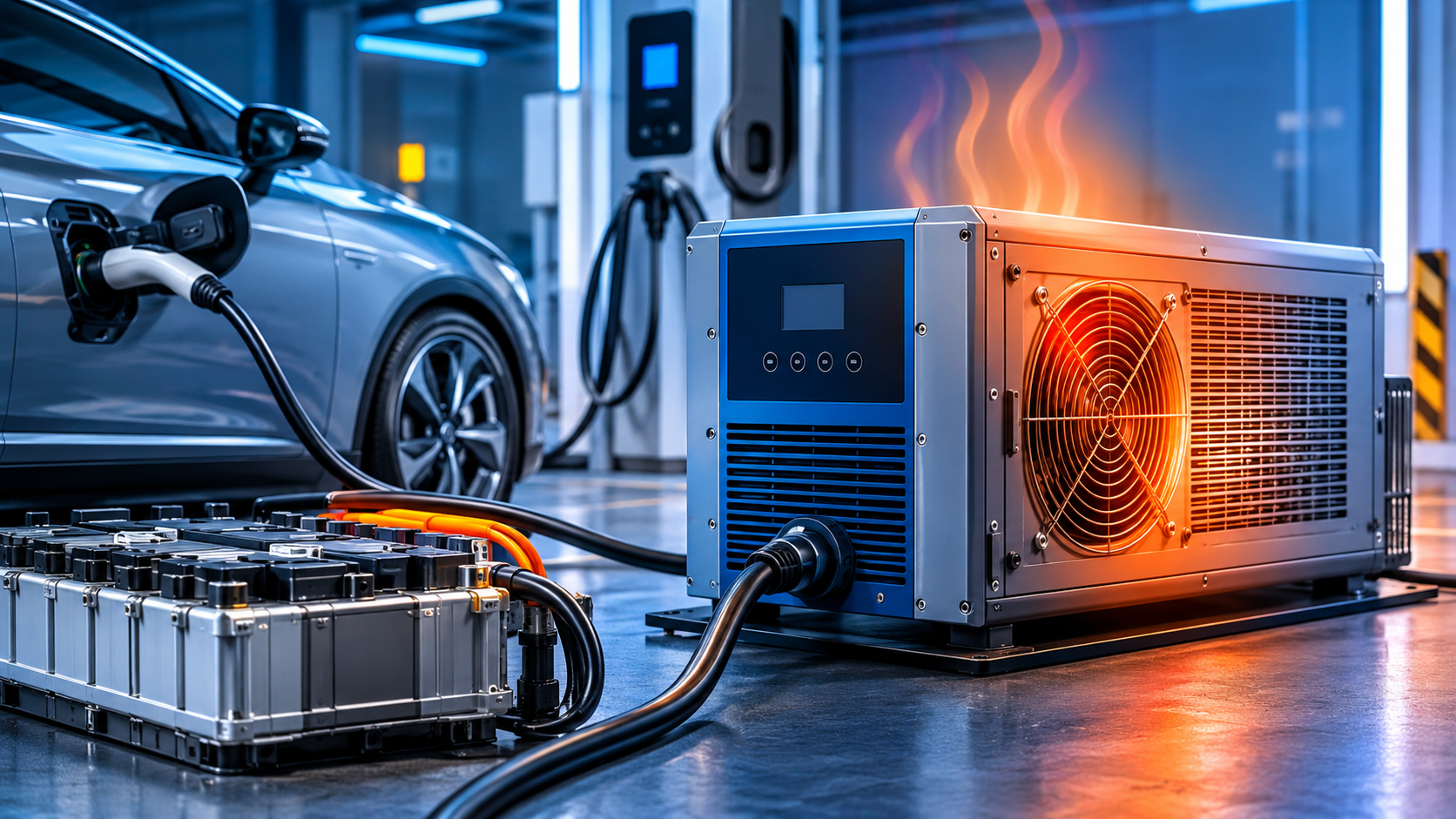
Why Do EV Battery Chargers Overheat? 7 Common Causes and Prevention Tips
Electric vehicles (EVs) are becoming increasingly popular across India. From electric scooters and three-wheelers to commercial electric vehicles, reliable battery charging plays an important role in everyday transportation.
However, one common issue that EV owners may experience is EV battery charger overheating.
Although some heat generation is normal during the charging process, excessive heating can indicate problems with ventilation, electrical connections, charging cables or battery compatibility. Ignoring these warning signs may lead to charging interruptions, equipment damage and potential electrical safety risks.
Understanding why EV battery chargers overheat can help vehicle owners identify potential problems, maintain their charging equipment and choose suitable battery charging solutions.
For reliable electric mobility charging solutions, explore BMS Electronics – Best EV Charger Manufacturer in India.
Is It Normal for an EV Battery Charger to Get Hot?
Yes, it is normal for an electric vehicle battery charger to generate some heat during operation.
An EV charger converts electrical energy into the voltage and current required by the battery. During this conversion process, some energy is lost as heat.
However, there is an important difference between normal operating warmth and excessive overheating.
A charger may become warm during regular operation, but it should operate within the temperature limits specified by its manufacturer.
If your battery charger becomes unusually hot, produces a burning smell or repeatedly stops charging, it may require professional inspection.
7 Common Causes of EV Battery Charger Overheating
Understanding the common causes of electric vehicle charger overheating can help identify potential problems before they become serious.
1. Poor Ventilation Around the Charger
Poor ventilation is one of the common factors that can contribute to battery charger overheating.
During charging, internal electronic components generate heat that needs to escape into the surrounding environment.
If the charger is placed in an enclosed area, covered with cloth or surrounded by objects, proper heat dissipation may become difficult.
For certain charger designs, cooling components such as DC fans can support airflow and heat dissipation. Learn more about DC Cooling Fan Manufacturer for EV Charging.
Prevention tips:
-
Keep the charger in a well-ventilated location.
-
Avoid placing it on beds or soft surfaces.
-
Never cover the charger's ventilation openings.
-
Follow the manufacturer's installation recommendations.
2. High Ambient Temperature
High environmental temperatures can affect EV battery charger performance.
During the summer months, temperatures inside garages, workshops and covered parking spaces can become extremely high.
When a charger operates in a hot environment, it may struggle to release the heat generated by its internal components.
Some chargers include thermal protection that reduces output or stops charging when internal temperature limits are reached.
Prevention tips:
-
Avoid direct sunlight during charging.
-
Operate the charger within its approved temperature range.
-
Choose a suitable and ventilated charging location.
-
Follow the manufacturer's environmental operating guidelines.
3. Loose or Damaged Charging Connections
Loose electrical connections can create additional resistance, resulting in localized heating.
Charging connectors, sockets and plug terminals may become damaged due to regular usage, corrosion or mechanical wear.
Some common warning signs include:
-
Burning smells near connectors.
-
Discoloured charging plugs.
-
Melted connector insulation.
-
Intermittent charging.
-
Excessive heating around the socket.
Prevention tips:
Inspect accessible charging connections regularly. If you notice damaged connectors or unusual heating, stop using the equipment when safe and contact a qualified professional.
Never continue charging with damaged plugs or loose electrical connections.
4. Using an Incompatible Battery Charger
Using an incompatible battery charger is another important cause of charging-related problems.
Different battery chemistries and configurations require specific charging parameters.
A suitable charger must match the battery's:
-
Chemistry.
-
Maximum charging voltage.
-
Recommended charging current.
-
Charging profile.
-
Battery Management System (BMS) requirements.
For example, NMC and LiFePO4 battery packs can have different charging-voltage requirements.
Using an unsuitable charger may create electrical and thermal risks.
Before selecting a charger, understand the available EV Lithium Battery Charger solutions.
You can also explore information about Electric Vehicle Battery Manufacturers in Delhi.
Prevention tips:
Always select a Lithium-Ion Battery Charger that matches the battery manufacturer's specifications. Check voltage, current and charging compatibility before connecting the equipment.
5. Damaged Charging Cables
Charging cables experience regular bending, movement and handling.
Over time, physical damage, crushed insulation or loose connector joints can affect their electrical performance.
A damaged cable may become unusually hot and can create additional electrical hazards.
Prevention tips:
-
Check cables for cuts and damaged insulation.
-
Avoid repeatedly bending cables near connectors.
-
Keep cables away from sharp objects.
-
Replace damaged cables through an authorized professional.
-
Avoid temporary repairs using adhesive tape.
6. Problems With the Charger's Cooling System
Some high-power EV battery chargers use cooling fans or other thermal-management systems to control operating temperatures.
If a cooling fan becomes blocked or stops working, heat may accumulate inside the charger.
Dust accumulation can also restrict airflow in certain charger designs.
However, not every charger uses an active cooling fan. Some models are designed with passive cooling systems.
Prevention tips:
Follow the manufacturer's maintenance instructions and keep accessible ventilation areas clean.
Never open the charger enclosure yourself because internal electrical components may retain hazardous energy even after disconnection.
7. Continuous Charging and Heavy Daily Usage
Commercial electric vehicles often require frequent charging to maintain daily operations.
Electric rickshaws, delivery scooters and fleet vehicles may operate under demanding charging schedules.
A charger designed for limited or intermittent use may not be suitable for continuous or heavy-duty applications.
For application-specific information, explore EV Chargers for E-Rickshaws in Dwarka.
Prevention tips:
-
Check the charger's rated operating conditions.
-
Select equipment suitable for the expected charging duty cycle.
-
Follow recommended charging practices.
-
Maintain a regular inspection schedule.
-
Consult the charger manufacturer about commercial usage requirements.
Warning Signs of an Overheating EV Battery Charger
Recognizing early warning signs can help prevent equipment damage and reduce safety risks.
Look out for the following symptoms:
-
Unusual burning smell during charging.
-
Smoke or visible sparks.
-
Melted or discoloured charging connectors.
-
Charging cables or plugs becoming abnormally hot.
-
Repeated thermal shutdowns.
-
Unexpected charging interruptions.
-
Unusual noises from equipment that normally operates quietly.
If smoke or fire occurs, keep people away, avoid touching or moving the equipment and contact emergency services. Never use water on energized electrical equipment.
For other suspected faults, stop charging according to the manufacturer's safety instructions and arrange a professional inspection.
How to Prevent EV Battery Charger Overheating
Preventive maintenance and correct charger selection can help improve charging reliability.
Choose the Right Battery Charger
Always select a charger according to your battery chemistry, voltage, current and charging requirements.
Maintain Proper Ventilation
Place the charger in a dry, stable and well-ventilated location. Avoid covering cooling openings.
Inspect Charging Cables Regularly
Check cables, connectors and plugs for visible damage, wear or discoloration.
Avoid Excessive Environmental Heat
Keep charging equipment away from direct sunlight and environments outside its approved temperature range.
Check Electrical Connections
Ensure the electrical socket, wiring and protective devices are suitable for the charger's rated load. Consult a qualified electrician when necessary.
Follow Manufacturer Guidelines
Follow the recommended operating conditions, maintenance schedule and charging instructions provided with your equipment.
Why Choosing a Quality EV Battery Charger Matters
An electric vehicle battery charger is an essential part of the vehicle's electrical system.
A properly designed charger should provide the required voltage and current while operating within its specified electrical and environmental limits.
Depending on the model, charging equipment may include protective features against abnormal voltage, current and temperature conditions.
For EV manufacturers, distributors and fleet operators, charger reliability is also important for reducing operational interruptions and maintaining vehicle availability.
If you are researching charging options for electric cars, you can also read our guide on EV Chargers for Electric Cars in Noida.
BMS Electronics: EV Battery Charger Manufacturer in India
As electric mobility continues to grow in India, the demand for reliable lithium-ion battery chargers and EV charging solutions is increasing.
BMS Electronics Pvt. Ltd. offers lithium-ion battery chargers and EV charging solutions for different electric mobility applications.
The company's website lists charging products in categories including 400W, 1kW and 2kW, along with battery-related products and OEM supply opportunities.
Whether you are looking for a battery charging solution for an electric scooter, electric three-wheeler or another EV application, it is important to select equipment that matches your battery specifications.
If you are searching for an EV Charger Manufacturer in Palam, explore the available charging information and compare your application requirements.
You can also explore our guide to Top EV Charger Manufacturers in Delhi NCR.
For buyers researching regional charging solutions, visit our page about Best EV Charger Manufacturers in Gurgaon.
Visit BMS Electronics to learn more about its EV charging solutions and discuss your requirements.
Frequently Asked Questions (FAQs)
1. Why does my EV battery charger get very hot?
An EV battery charger may become hot because of poor ventilation, high ambient temperature, loose electrical connections, damaged cables or incompatible charging specifications.
2. Is it normal for a lithium-ion battery charger to get warm?
Yes. Some heat generation is normal during energy conversion. However, unusually high temperatures, burning smells or damaged connectors may indicate a problem.
3. Can poor ventilation cause EV charger overheating?
Yes. Restricted airflow can prevent heat from escaping from the charger's internal components, potentially increasing its operating temperature.
4. Can an incompatible charger damage an EV battery?
An incompatible charger may provide an unsuitable charging voltage, current or charging profile. Always use a charger approved for the battery's chemistry and specifications.
5. What should I do if my EV charger smells like burning?
Stop charging if it is safe to do so. Avoid touching damaged equipment, keep people away and arrange a professional inspection. If smoke or fire is present, contact emergency services.
6. How can I prevent my EV battery charger from overheating?
Use a compatible charger, maintain proper ventilation, inspect cables and connectors, avoid excessive environmental heat and follow manufacturer maintenance instructions.
7. How do I choose the right lithium-ion battery charger?
Check battery chemistry, nominal and maximum charging voltage, recommended current, charging profile and BMS compatibility. Confirm the specifications with the battery or vehicle manufacturer before purchasing.
Final Thoughts
EV battery charger overheating can result from several factors, including poor ventilation, high environmental temperatures, damaged cables, loose connections and incompatible charging equipment.
Although some warmth is normal during charging, unusual heating and visible warning signs should never be ignored.
By choosing the correct battery charger, maintaining proper ventilation and inspecting charging equipment regularly, EV owners and businesses can help improve charging reliability and reduce avoidable electrical risks.
For dependable electric mobility applications, selecting a charger that meets the battery manufacturer's technical requirements is an important step towards safer and more reliable charging.
Explore BMS Electronics – Best EV Charger Manufacturer in India for more information about EV battery charging solutions.